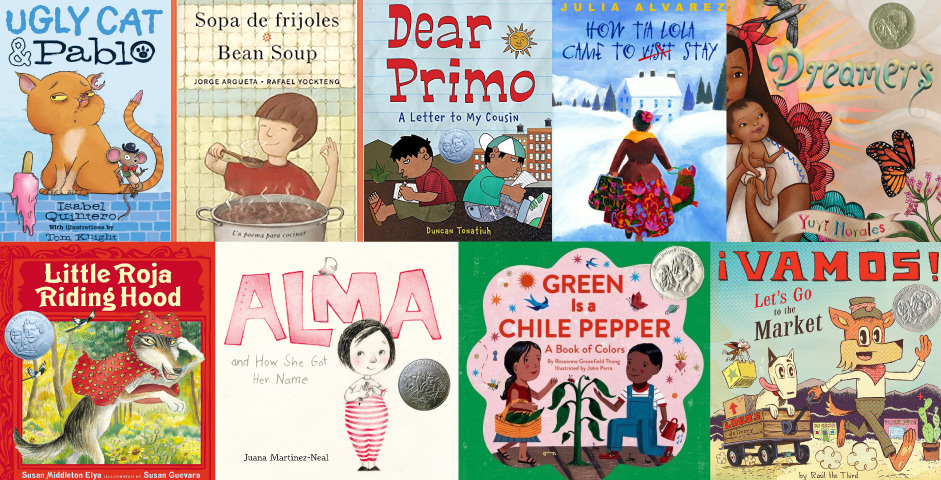
Los Angeles is a city of many Spanish speakers, and it’s easy to see the advantages of being bilingual. Some parents want to introduce their children to speaking Spanish or another language at a young age. The library has all kinds of resources, whether your goal is to support fluency or if you just want to learn some everyday phrases and vocabulary. All of these resources are free with your library card. Don’t have one? Sign up for an e-card here.
For children who already have a foundation in Spanish, the library offers a wide variety of e-book and audiobook options.We have a new resource called MakeMake that has a vibrant collection of children’s books in Spanish from Latin American countries that are available to read online. Some of the books are interactive and offer the option of reading or listening to them in Spanish or English.
With children who are just starting to learn Spanish, it can sometimes be a struggle to motivate them to go beyond their comfort zone of English, which usually dominates in school and in the media around us. Children’s books with a sprinkling of Spanish words can be a fun way to introduce the language in small amounts, and encourage kids to learn more. We love using these books in storytime and other programs, because everyone feels included—those who already speak Spanish recognize the familiar words, and those who don’t speak Spanish yet feel welcomed into learning another language. Try some of the books below with your family!
Children’s Books With a Sprinkle of Spanish

Miguel’s life is turned upside down when he moves with his mother and little sister from New York City to Vermont, and his aunt from the Dominican Republic comes to stay with them and help out. The first book in a series about the quirky Tía Lola.
Cuando Miguel y su hermanita se mudan con su mamá desde la ciudad de Nueva York al estado de Vermont, su Tía Lola viene de la República Dominicana para cuidarles. ¿Cómo puede acostumbrarse a esta vida tan diferente?

A short collection of bilingual poems about making bean soup as a family - yum!
Una colección de poemas bilingües que celebra la cocina casera. ¡Qué ricos los frijoles!
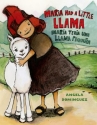
Dominguez takes a familiar nursery rhyme (Mary Had a Little Lamb) and transports it to the Peruvian Andes.
Una rima bien conocida en inglés (Mary Had a Little Lamb) se traslada a los Andes peruanos.

This Little Red Riding Hood update has a cool grandma who can hold her own against the wolf.
Esta versión de Caperucita Roja tiene una abuela muy moderna que se puede enfrentar al lobo con la ayuda de su nieta.

Alma doesn’t appreciate her long name until she learns about how it connects her to her family’s history.
Alma siente que su nombre es demasiado largo hasta que su papá le explica la conexión con sus antepasados.

A stunning picture book that tells a story of migration and hope.
Un cuento emocionante de la migración y la esperanza, contado por medio de ilustraciones maravillosas y palabras muy líricas.

Little Lobo and his dog make deliveries at their local mercado. Each illustrated page is chock-full of signs and labels in Spanish, so children can learn new vocabulary in context.
Little Lobo y su perro hacen entregas a su mercado local. Cada página de ilustraciones está llena de letreros y etiquetas en español para que los niños puedan aprender nuevo vocabulario en un contexto divertido.
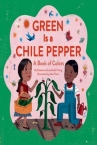
A book of colors that incorporates Latino cultural elements in two languages.
Un libro bilingüe de colores que incorpora elementos de la cultura latina.
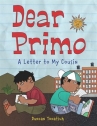
Charlie, who lives in a city in the United States, writes letters to his cousin Carlitos, who lives in the Mexican countryside. Through this exchange, they learn how their lives are similar and different.
Charlie vive en una ciudad en los Estados Unidos, mientras su primo Carlitos vive en el campo en México. Se escriben cartas el uno al otro, y aprenden de esta manera sobre sus semejanzas y diferencias.

A street cat and his best friend (a mouse) have adventures around their neighborhood in this early chapter book.
Un gato callejero y su mejor amigo (un ratoncito) embarcan en aventuras y travesuras por su vecindad.